Commercial Auto & Spray Rigs for spray contractors
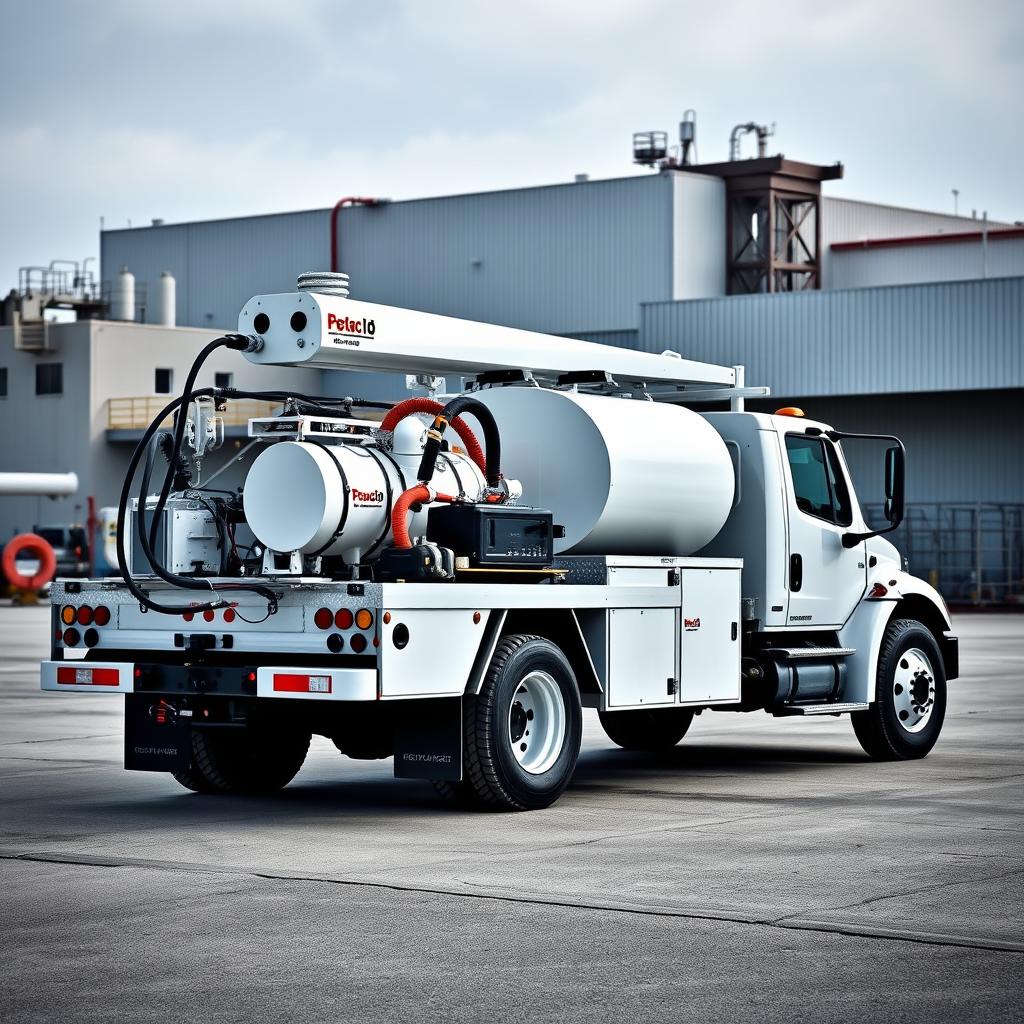
Your spray rig is your business. Commercial auto covers the vehicle on public roads — but the proportioner, heated hoses, and spray equipment inside the rig need separate inland marine coverage. We make sure both are in place so nothing falls through the cracks.
What it covers
- Liability for accidents caused by your spray rigs and work trucks
- Collision and comprehensive coverage for spray rig vehicles
- Coverage for proportioner trucks and service vehicles
- Hired and non-owned auto (employees using personal vehicles for work)
- Uninsured/underinsured motorist coverage
- Towing and labor coverage for spray rig breakdowns
- Medical payments for driver and passenger injuries
Who it's for
- Spray foam contractors with proportioner trucks and rig vehicles
- Polyurea applicators with spray equipment trailers
- Sealcoating contractors with tanker trucks and spray rigs
- Line striping companies with striping trucks
- Multi-vehicle spray contractor operations
- Contractors whose employees drive personal vehicles for work
Why CCA
- Commercial auto bundled with GL and inland marine for complete rig coverage
- Specialty markets familiar with spray rig vehicle values
- Hired and non-owned auto included for all operations
- Clear coordination with inland marine so no gap on rig equipment
- Fast certificates for commercial jobs requiring auto coverage
Common questions about commercial auto & spray rigs
No. Commercial auto covers your spray rig as a vehicle — liability, collision, and comprehensive. The proportioner, guns, hoses, and equipment inside are personal property that requires an inland marine or tools & equipment policy. Both should be in your program.
Yes. If you drive a vehicle for business purposes — even just to and from job sites — you need commercial auto. Personal auto policies exclude business use and will deny claims for accidents that happen while driving for work.
Hired auto covers vehicles you rent for business use. Non-owned auto covers employees who use their personal vehicles for work (delivering materials, running errands). Both are typically included in commercial auto policies and protect you when the vehicle isn't titled to your business.
Yes. Contractors Choice Agency holds insurance licenses in all 50 states and is actively placing spray contractor programs nationwide. NPN #8608479.
About 15 minutes for most spray contractor programs. We need your spray trades, annual revenue, crew size, and loss history. Call 844-967-5247 or submit the online form.
We work with A.M. Best A-rated (A+ where possible) specialty commercial carriers and managing general agents that focus on contractor insurance. We don't place spray contractors with carriers that exclude spray operations or use incorrect class codes.
Yes. We handle GL, CPL, workers' comp, commercial auto, tools & equipment, umbrella, and inland marine — coordinated into one program. You deal with one agent and one renewal process.
Business name, years in operation, spray trades performed (foam, polyurea, sealcoating, etc.), annual revenue, employee count, vehicle and equipment list, and your current insurance information. Prior loss runs (3 years) are helpful but not always required.
We help you navigate the claims process — understanding what's covered, how to document the incident, and working with the carrier. For complex overspray or CPL claims, we connect you with the right people at the carrier quickly.
A COI is proof of your insurance coverage — typically required by GCs, property managers, municipalities, and commercial project owners before you can start work. We issue COIs quickly, usually same-day, and can add additional insureds as needed.
Premiums are based on your spray trades, annual revenues, payroll, crew size, location, equipment values, and claims history. WC premiums are driven by your payroll and class codes. GL premiums are usually based on revenue. CPL is typically flat or based on revenue and job types.
An additional insured (AI) endorsement extends your GL coverage to a third party — typically a GC, property owner, or project owner — protecting them against claims arising from your work. Most commercial projects require AI status and we add these to your policy as needed.
Yes, though a claims history may affect which markets will write you and at what premium. We work with specialty markets that have experience underwriting spray contractors with prior claims, including overspray incidents and WC claims. We'll be upfront about what your history means for your program.
$1M per occurrence / $2M aggregate is the standard minimum. However, many commercial GCs and project owners require $2M per occurrence. If you work on larger commercial projects, consider a $5M umbrella on top of your base GL limits.
Technically you may not be legally required to carry GL in every state, but virtually every GC and commercial project owner will require it before allowing you on site. WC requirements for sole proprietors vary by state. Most sole proprietors in the spray trades should carry GL and CPL at minimum.
A waiver of subrogation prevents your insurance carrier from pursuing a third party (like your GC or project owner) to recover claim costs. Many commercial projects require waivers of subrogation. We add these endorsements to your policy when required — usually at no or low additional cost.
Call 844-967-5247, email josh@contractorschoiceagency.com, or submit the quote form at sprayinsurance.com/quote. We respond fast — 15-minute quote turnaround for most programs.
Pair it with related coverage
Ready to protect your spray operation?
Get a 15-minute quote from specialists who understand spray contracting — GL, contractor pollution liability, WC class codes, and spray rig coverage.