Contractor Pollution Liability for Spray Trades: VOC, Overspray, and Chemical Exposure
By Contractors Choice Agency
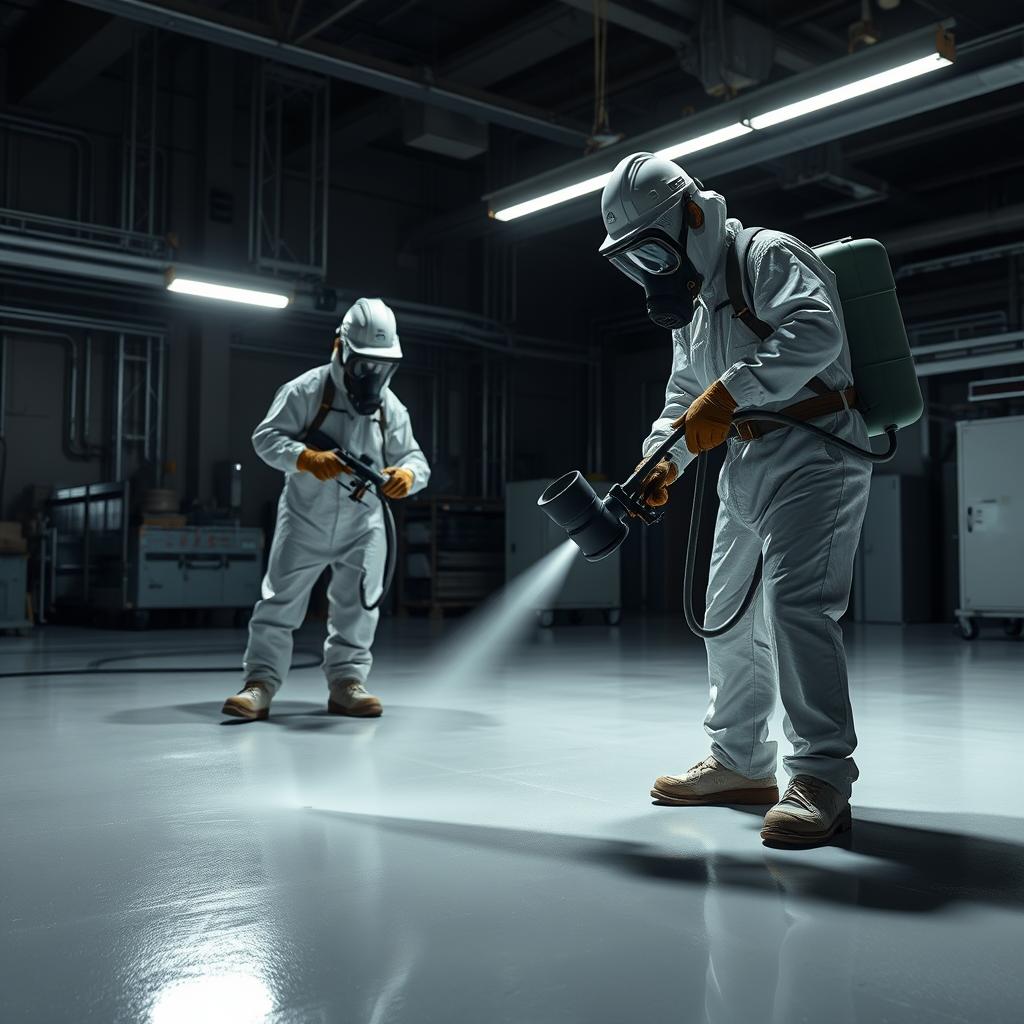
Contractor Pollution Liability for Spray Trades: VOC, Overspray, and Chemical Exposure
If you're a spray contractor — foam, polyurea, sealcoating, line striping, or industrial coatings — you need to understand one critical fact about your general liability policy: it probably has a pollution exclusion that applies to many of your most common claims.
Contractor pollution liability (CPL) exists to fill that gap. Here's why spray contractors are uniquely exposed and what CPL actually covers.
What the Pollution Exclusion Actually Means
Most commercial GL policies include an "absolute pollution exclusion" or "total pollution exclusion" that bars coverage for bodily injury, property damage, or cleanup costs arising from the discharge, dispersal, seepage, migration, release, or escape of pollutants.
The problem: many spray contractor materials are classified as pollutants.
Isocyanates — the reactive component in spray polyurethane foam — are classified as irritants and potential sensitizers. VOCs from spray coatings, sealcoating materials, polyurea components, and line striping paint are chemical compounds that many carriers classify as pollutants under their GL exclusion language.
When an overspray incident happens and your GL carrier reviews the claim, they may invoke the pollution exclusion — even if the event was just windblown overspray hitting adjacent vehicles.
What CPL Covers for Spray Contractors
Contractor pollution liability provides coverage specifically for the pollution-related exposures that standard GL excludes:
- VOC drift and chemical overspray — when spray material drifts to adjacent property
- Isocyanate and reactive component exposure — claims from bystanders or neighboring occupants exposed to foam chemicals during application
- Off-gassing claims — spray foam odor and off-gassing complaints from building occupants after installation
- Sealcoating material runoff — coal tar or asphalt-based material that runs off into storm drains or onto adjacent property
- Environmental cleanup costs — if your spray operation results in a release that requires remediation
- Completed operations pollution events — claims discovered after the job is complete (critical for foam and EIFS)
The Sealcoating Exposure
Sealcoating contractors face a specific challenge: coal tar-based sealcoating materials are considered potential carcinogens and are banned in several jurisdictions. Coal tar runoff into storm drains, waterways, or adjacent soil is a genuine environmental exposure.
Some municipalities have banned coal tar sealcoating entirely. In jurisdictions where it's still used, the pollution liability exposure is significant. Standard GL will not cover coal tar-related claims under the pollution exclusion — CPL is the only protection.
Even asphalt-based sealcoating materials can trigger pollution exclusions if they contact waterways or cause third-party claims related to chemical exposure.
The Spray Foam Off-Gassing Scenario
This is increasingly common. A homeowner hires a spray foam contractor to insulate their attic. The foam is applied and the house is sealed. Within days or weeks, the occupants experience headaches, respiratory irritation, and eye irritation — and attribute it to off-gassing from the foam.
The homeowner files a claim against the foam contractor. The foam contractor turns it in to their GL carrier. The carrier denies the claim under the pollution exclusion — isocyanates and VOCs from the foam are pollutants under the policy language.
Without CPL, the foam contractor is defending the claim out of pocket. With CPL, the claim is covered.
How CPL Works Alongside GL
CPL doesn't replace GL — it works alongside it. Your GL handles standard third-party injury and property damage claims. Your CPL handles the pollution-related claims your GL won't touch.
The policies are designed to coordinate. When a claim comes in that's borderline — some property damage, some chemical exposure — the GL and CPL carriers coordinate on coverage. This is why buying both from an agent who specializes in spray contractor programs matters: the policies need to be set up to work together without gaps.
What CPL Typically Costs
For spray contractors, CPL premiums typically range from $1,500 to $5,000 per year for small to mid-size operations, depending on:
- Annual revenues and trade types
- Whether you do sealcoating (higher CPL exposure) vs. foam or polyurea
- Your location and state regulatory environment
- Claims history
Given that a single denied GL claim for overspray or off-gassing can easily exceed $50,000–$100,000 in damages and defense costs, CPL is one of the most cost-effective coverages a spray contractor can carry.
The Bottom Line
If you're a spray contractor of any kind — foam, polyurea, sealcoating, coatings, EIFS — and you don't have a contractor pollution liability policy, you have a significant uninsured exposure. Your GL probably won't cover the claims that are most likely to happen to your operation.
CPL isn't optional for spray contractors. It's essential.
Need this coverage for your spray operation?
Get a real quote in about 15 minutes — we shop A-rated specialty markets for spray contractors.