Workers' Comp Class Codes for Spray Contractors: Foam, Polyurea, Sealcoating
By Contractors Choice Agency
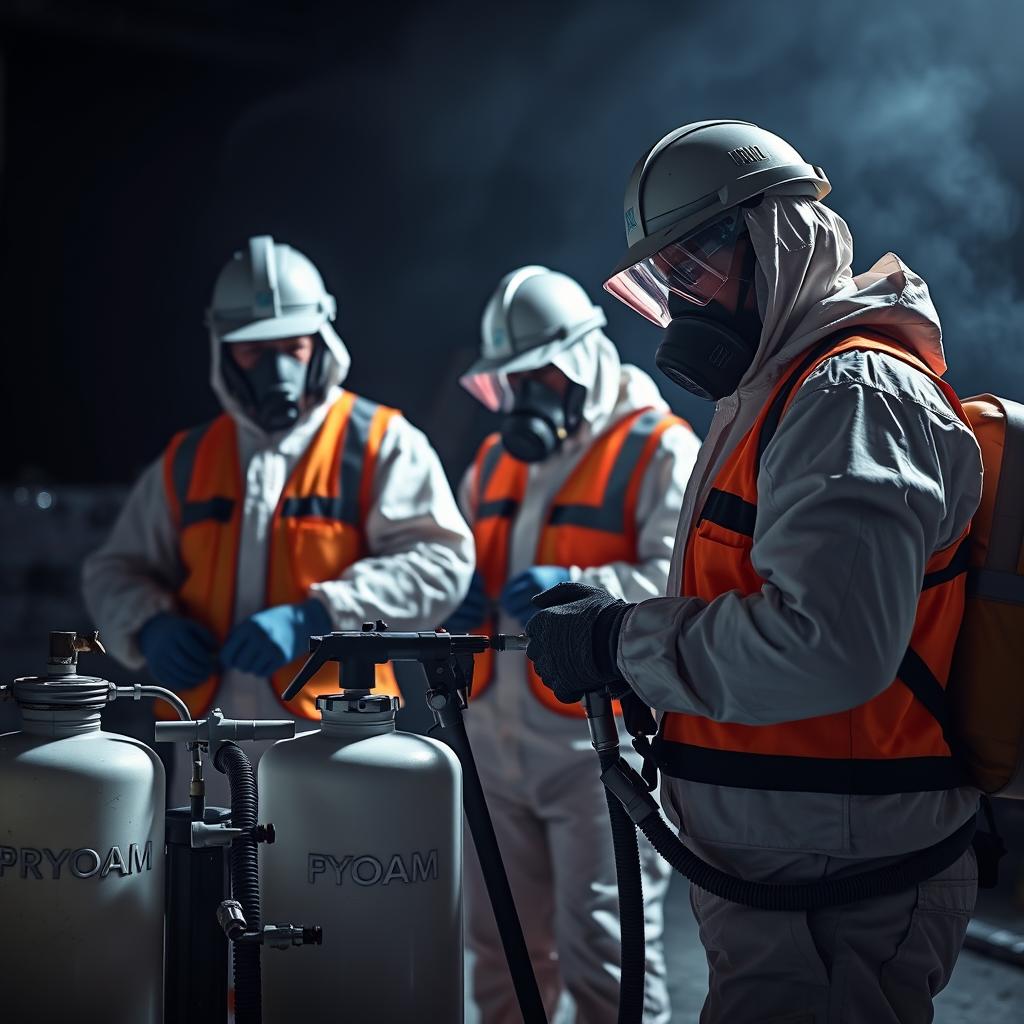
Workers' Comp Class Codes for Spray Contractors: Foam, Polyurea, Sealcoating
Workers' compensation classification for spray contractors is one of the most commonly mishandled parts of a spray contractor's insurance program. Getting the wrong class code means you're either overpaying premium or — more dangerously — facing coverage disputes when a claim is filed and the auditor decides your employees don't match the code on your policy.
Here's how it actually works.
Why Class Codes Matter
Workers' comp premiums are calculated by multiplying your payroll by a rate assigned to each class code. The rate reflects the historical injury frequency and severity for that type of work.
Higher-risk trades have higher rates. A class code mismatch can cost you thousands per year in either direction — and create audit problems at the end of the policy period when the carrier reconciles your actual payroll and operations against the codes on your policy.
More critically: if a claim occurs and the carrier's auditor determines your employees were performing work that doesn't match the code on your policy, you can face coverage issues and potentially a rescission of the policy.
Primary Class Codes for Spray Contractors
5474 — Insulation Work (Spray Foam Primary Code)
Class code 5474 covers installation of insulation materials, including spray polyurethane foam (SPF). This is the primary code for:
- Spray foam insulation applicators (open-cell and closed-cell)
- Blown-in insulation crews (when combined with spray foam operations)
- Wall and attic spray foam installation
The 5474 rate varies significantly by state — from around $5 to $15 per $100 of payroll in most states, reflecting the moderate-to-high injury exposure of insulation work.
Roofing Codes — When Spray Foam Goes on the Roof
If your spray foam crews work on roofing applications (spray foam roofing, polyurea roof coatings), the roofing class code often applies — and roofing codes carry significantly higher rates than 5474.
In many states, roofing work is classified under codes like 5551 (Roofing) regardless of whether the application is foam, membrane, or traditional shingles. If you do spray foam roofing and your policy has 5474 for all operations, your auditor may reclassify roofing work at year-end — resulting in a large audit charge.
Solution: If you do both building insulation (walls, attics) and roofing foam applications, your policy should reflect both class codes with separate payroll allocations.
Polyurea and Polyaspartic Applicators
Polyurea classification varies based on the application type:
- Floor coatings in commercial or industrial settings may fall under painting codes (5474 or painting-related codes depending on the state)
- Roofing applications of polyurea follow roofing codes
- Industrial and tank linings may fall under industrial codes
This is where having a knowledgeable agent matters. A carrier that treats all polyurea as the same work will either over-classify you (paying roofing rates for floor coating work) or under-classify you (creating audit exposure for roofing work).
9014 — Sealcoating and Pavement Maintenance
Code 9014 is commonly used for pavement sealing, sealcoating, and related asphalt maintenance work. This code reflects:
- Asphalt sealcoating application
- Crack sealing and filling
- Minor asphalt maintenance work
Sealcoating is lower risk than spray foam roofing or industrial coating, and 9014 rates are generally more favorable than roofing codes.
Line Striping
Line striping and pavement marking typically falls under codes related to painting or highway/street work, depending on the state and the type of striping (parking lots, highways, warehouses).
Line striping is generally lower risk and lower rate than spray foam or polyurea roofing applications.
The Experience Modification Rate (EMR)
Beyond class codes, your experience modification rate (EMR or "mod") directly affects your WC premium. Your mod compares your actual claims history to what's expected for contractors with your class codes and payroll.
- EMR below 1.0: Your claims are better than average. You get a discount on your premium.
- EMR above 1.0: Your claims are worse than average. You pay a surcharge.
For spray contractors, the most common claims driving up the EMR are:
- Respiratory exposure and illness (isocyanates, VOCs)
- Chemical burns and eye exposure
- Fall injuries on roofing and scaffolding
- Back injuries from lifting equipment
Managing your EMR over time requires:
- Strong safety programs and PPE enforcement
- Timely reporting of injuries
- Effective return-to-work programs
- Contesting fraudulent or inflated claims
What to Watch at Audit
Workers' comp policies are audited annually — the carrier reviews your actual payroll at year-end and adjusts your premium accordingly. Common audit issues for spray contractors:
Payroll underestimation: Estimating payroll too low at policy inception leads to a large audit charge at year-end. Be realistic about your expected payroll.
Code mismatches: If your crews did roofing foam work but your policy only has the insulation code, expect the auditor to reclassify that payroll at a higher rate.
Subcontractor exposure: If you paid uninsured subcontractors, your carrier may treat their compensation as your payroll and apply your class code rate. Require certificates of insurance from all subs.
Owner exclusions: Owner exclusions from WC are available in some states. If you're a sole proprietor or small LLC owner, understand whether you should be included or excluded from your WC policy.
Getting WC Right for Spray Contractors
The takeaway: work with an agent who understands spray contractor operations and knows how to assign class codes correctly for the types of work you actually perform. A single code mismatch can cost thousands in unexpected audit charges — and the wrong classification at claim time creates coverage risk.
If you're not sure whether your current WC policy has the right class codes, request a review. It takes 15 minutes and can save you a year-end surprise.
Need this coverage for your spray operation?
Get a real quote in about 15 minutes — we shop A-rated specialty markets for spray contractors.